Why Fall is the Worst Time to Ignore Your Home's Entry Points
Why Fall is the Worst Time to Ignore Your Home's Entry Points
Every autumn, the same thing happens across central Wisconsin. Temperatures start dropping, the leaves turn, and homeowners settle in for the season. What most people do not realize is that while they are enjoying the change of season, mice, squirrels, raccoons, and a long list of insects are doing exactly the same thing. They are looking for somewhere warm to spend the winter. And if your home has any gaps, cracks, or openings, there is a good chance they are going to find them before you do.
Fall is hands down the most important time of year to think about your home's entry points. Not spring. Not summer. Fall. Here is why that is, what animals and insects are actually doing during this time of year, and what you can do to make sure your home is not the one they move into.
Why Fall Changes Everything
Animals are not complicated. When it gets cold, they need warmth. When food gets scarce, they need to find it somewhere else. Your home solves both of those problems at once. It is warm, it is sheltered, and if there is a kitchen or pantry nearby, there is food too.
The shift usually starts in late September and picks up through October and into November. This is when the calls to our office start increasing significantly. Homeowners hear scratching in the walls. They find droppings in the back of a cabinet. They notice a gap under the garage door that was never a problem before. Nothing has changed about the house. What has changed is that something outside finally decided to use it.
Mice are the most common fall invader by a wide margin. A mouse can squeeze through a hole the size of a dime and they are actively searching for warm spaces as the temperature drops. Once one gets in, others follow. They communicate through scent trails and a home that has had mice before is always at higher risk of getting them again because those scent trails persist even after the mice are gone.
Squirrels are the next most common problem. They are less subtle than mice and you will usually hear them moving around in the attic during the day since squirrels are active during daylight hours. They get in through gaps in soffits, damaged fascia boards, and any spot where roofing materials have started to pull away from the structure. A gap that looks minor to you is an open door to a squirrel that is motivated to find a warm place to nest before winter.
Raccoons are more destructive and more determined. A raccoon that decides your attic looks like a good den site is not going to be deterred by a flimsy vent cover or a small gap it can widen with its hands. Raccoons have dexterous front paws and they use them. They are strong enough to tear back damaged soffits, pry off loose vent covers, and create entry points where none existed before if they are motivated enough.
Bats are a slightly different situation. They are not moving in for the winter the same way other animals are. Most bat species in Wisconsin either migrate or go into a torpor state during the coldest months. But fall is when they are most actively looking for hibernation spots, and an attic or wall void is ideal. The frustrating thing about bats is that they can get through a gap as small as three eighths of an inch. You may not even know they are in there until spring when they become active again.
The Insects You Are Probably Not Thinking About
Most homeowners think about mice and maybe squirrels when it comes to fall pest pressure. What they often overlook is the insect side of the picture, which is just as significant.
Box elder bugs are one of the most visible fall insects in Wisconsin. They congregate on the sunny sides of buildings in huge numbers, looking for cracks to overwinter in. They are harmless but when they get inside in large numbers they become a real nuisance and their droppings can stain surfaces.
Cluster flies look similar to house flies but behave very differently in fall. They are parasitic flies that spend summer in fields and then move to structures in fall to overwinter in wall voids and attic spaces. On warm winter days they wake up and start buzzing around inside the home, which is how most homeowners first notice them. By that point they are already inside the walls.
Stink bugs have become increasingly common in Wisconsin over the past decade. Like box elder bugs they gather on exterior walls in fall looking for entry points, and they release their signature odor when disturbed or crushed, which makes them particularly unpleasant house guests.
Spiders move indoors in fall following the insects they feed on. An increase in spider activity inside your home in September and October is often a sign that other insects are already present.
What They Are Looking For
Understanding what these animals and insects are looking for makes it easier to think about where to focus your attention when it comes to protecting your home.
Warmth is the primary driver. Any gap that allows warm air to escape from your home is a signal to wildlife and insects on the outside. This is why entry points around heating system penetrations, dryer vents, and areas near the foundation where the structure meets the ground tend to be particularly active entry points in fall.
Shelter from the elements matters just as much as warmth. An enclosed space that blocks wind and precipitation is highly attractive to animals looking for a place to wait out the winter. Attics, wall voids, crawlspaces, and the space beneath porches and decks all fit this description.
Food access is less of a factor for animals that are trying to slow down for winter, but for rodents it is significant. Mice do not hibernate. They stay active all winter and they need food to do it. A home with accessible food sources in the kitchen, pantry, or garage is far more attractive to a mouse than one where food is properly stored and sealed.
The Problem With Waiting Until You Notice Something
The most common mistake homeowners make is waiting until they hear something or find evidence before taking action. By that point the animal is already inside and what started as a prevention problem has become a removal problem. Those are two very different situations in terms of cost, effort, and potential damage.
A mouse that gets in before winter has four to five months to reproduce before spring arrives. A female mouse can produce six to ten litters per year with five to six pups each. The math on that gets unpleasant quickly. What entered your home in October as one or two mice can be a significant infestation by February.
Wildlife that overwinters in your attic or walls does not just take up space. Raccoons and squirrels cause structural damage. They chew through wiring, which creates a fire hazard. They destroy insulation by compressing it, nesting in it, and soiling it with droppings and urine. Contaminated insulation loses its effectiveness and becomes a health hazard. Rodent and wildlife waste can carry bacteria, parasites, and in the case of bats, the risk of histoplasmosis from dried guano.
The damage compounds over time. An animal that spends a full winter in your attic causes significantly more damage than one that is removed quickly. And because wildlife and rodents tend to return to the same spots year after year, a home that is not properly sealed after removal is very likely to have the same problem again next fall.
What You Can Do Right Now
The good news is that fall entry point issues are almost entirely preventable with the right attention at the right time of year. Here is what to focus on.
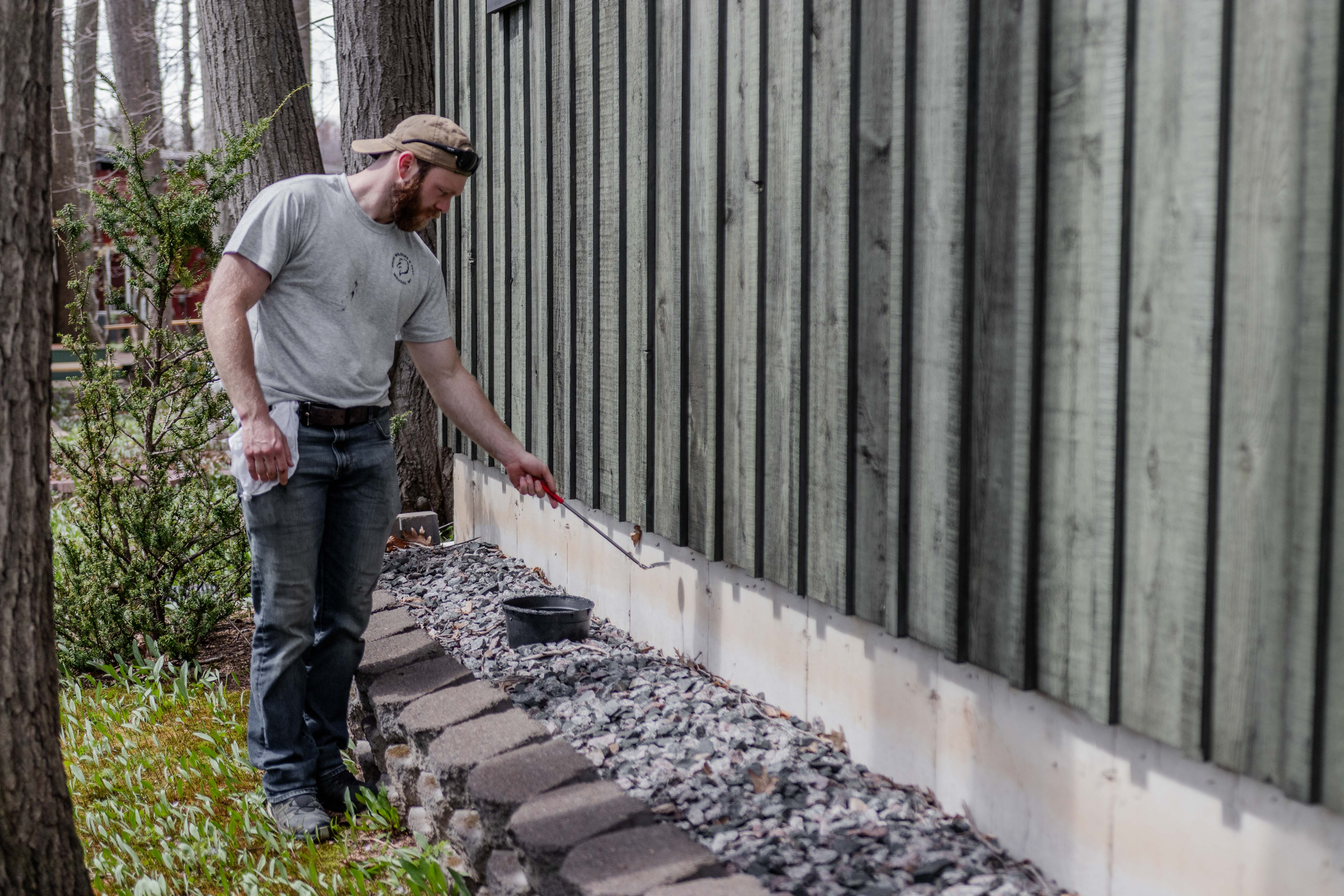
Walk the exterior of your home and look at it the way an animal would. Get low and look at the foundation. Look at where utilities enter the building. Look at the roofline, the soffits, and the areas around vents and chimneys. Look at where different building materials meet each other since these transition points are common weak spots. Any gap you can fit a finger into is a gap a mouse can use. Any gap you can fit your fist into is accessible to a squirrel or young raccoon.
Pay particular attention to areas that have experienced any settling, weather damage, or age related deterioration. Older homes in central Wisconsin tend to have more vulnerabilities simply because materials shift and degrade over time and gaps that did not exist ten years ago may be present now.
Check your crawlspace vents. These are a common and frequently overlooked entry point. Standard vent screens deteriorate over time and gaps around the edges allow both insects and small rodents to enter.
Look at your garage door seal. The rubber strip along the bottom of a garage door compresses over time and gaps form. A garage is often the first point of entry for mice because the seal is imperfect and there are usually food sources nearby in the form of trash cans, pet food, or birdseed.
Address moisture issues in your crawlspace and basement. Damp spaces are more attractive to insects and some wildlife. Fixing drainage issues and considering encapsulation not only reduces pest pressure but also protects your home's structure.
When to Call a Professional
If you are not comfortable inspecting your own roofline or you are not sure what you are looking for, a professional exclusion inspection is worth every penny in the fall. A trained eye will find gaps and vulnerabilities that most homeowners miss, and having those sealed before winter arrives is far less expensive than dealing with a removal and cleanup job in February.
If you have already noticed signs of activity such as droppings, sounds in the walls or ceiling, or damage near potential entry points, do not wait. The sooner the problem is addressed the less damage occurs and the less expensive the solution tends to be.
At Bros Wildlife and Pest Control we do exclusion inspections and sealing work throughout the fall season. We know what to look for in central Wisconsin homes, we know the species that are most active during this time of year, and we use materials that hold up against both the weather and determined wildlife. Give us a call before winter arrives and let us make sure your home is not the one that gets moved into this season.