What Central Wisconsin Homeowners Should Expect From Pests and Wildlife This Spring
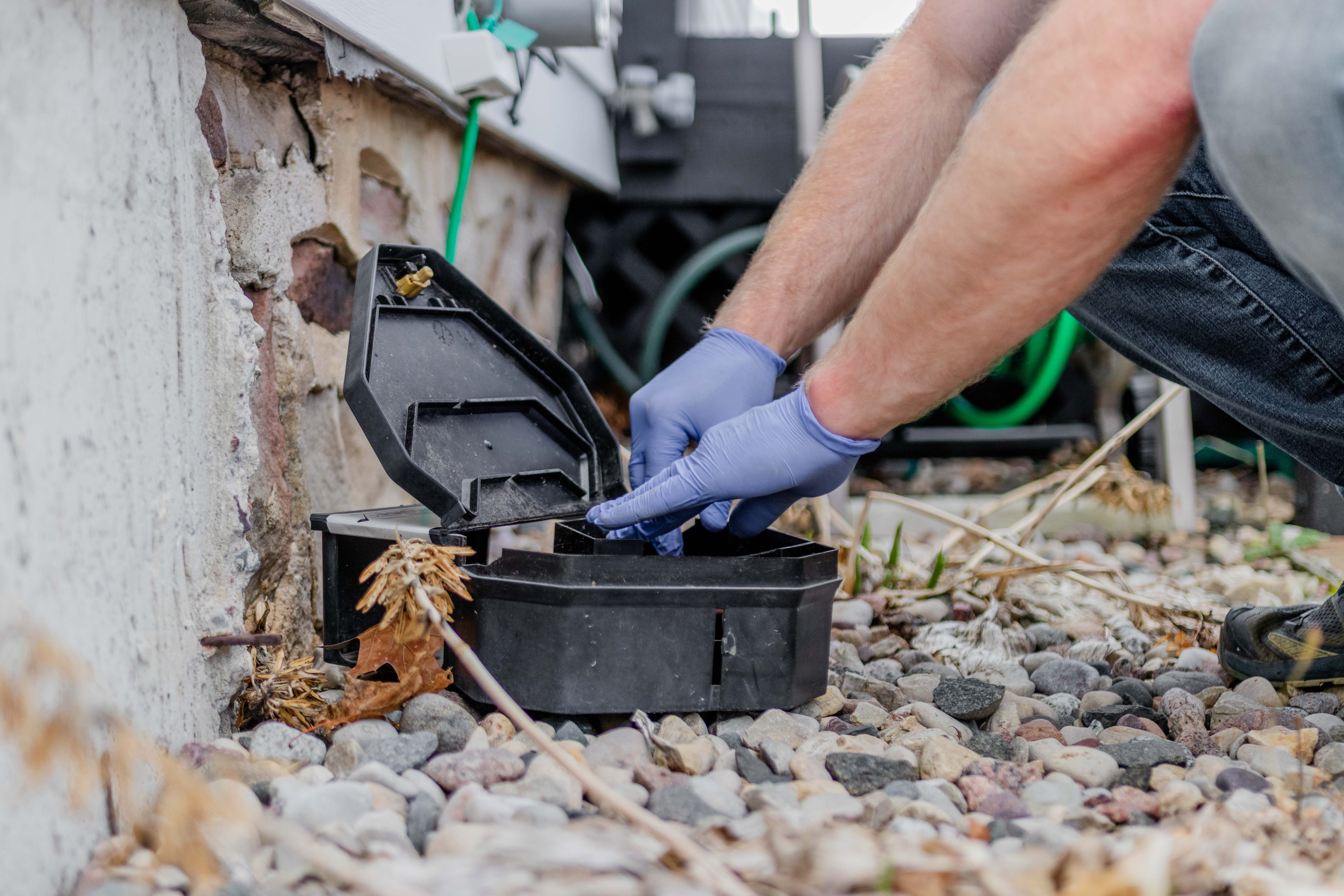
Spring Pest Preview: What to Expect in Central Wisconsin This Year
There is a moment every spring in central Wisconsin when the temperature crosses a certain threshold and everything wakes up at once. The snow melts, the ground thaws, and within a matter of days the pest and wildlife calls start coming in. For homeowners it can feel sudden, but the activity building up under the surface has been going on all winter. Spring does not create pest problems. It reveals them.
Knowing what to expect before it shows up gives you a real advantage. Here is a look at the pest and wildlife activity we typically see each spring in central Wisconsin, when to expect it, and what you can do to stay ahead of it this year.
Mice and Rodents: The Winter Holdovers
Mice do not hibernate. If they got into your home in fall, they have been there all winter, breeding and doing damage in the spaces you cannot see. Spring is often when homeowners first notice the evidence. Droppings in the back of a cabinet. A chewed corner on a box of cereal. A smell coming from somewhere in the walls that was not there before.
The other thing that happens in spring is that mice that overwintered outdoors start moving around more as temperatures rise. Burrows that were quiet all winter become active again. Mice that sheltered in woodpiles, under decks, and in garage corners start looking for food and expanding their territory. If your home has any gaps at the foundation level or around utility penetrations, this is the time of year they are most likely to find them.
If you made it through winter without a rodent problem, spring is a good time to walk the perimeter of your home and look for any new gaps or areas of deterioration that appeared over the freeze and thaw cycle. Wisconsin winters are hard on building materials and a crack that was not there in October may very well be there in April.
Raccoons: Babies Are Coming
Raccoon mating season runs through late winter and females give birth in spring, typically between March and May. This is important for homeowners to understand because a female raccoon looking for a den site is significantly more motivated and more destructive than a raccoon just passing through. An attic is an ideal nursery and a mother raccoon will work hard to get into one if she finds any weakness in your roofline or soffits.
Once a female has established a den and given birth, removal becomes more complicated. Wisconsin regulations around the handling of wildlife with young need to be followed carefully and the process of removing a family of raccoons is more involved than removing a single animal. The best outcome is preventing access before denning happens, which means spring exclusion work on your roofline and soffits before March is ideal.
Signs of raccoon activity to watch for in spring include tracks in muddy areas around your home, damage to soffits or roof vents, and sounds in the attic during the day or early evening. Raccoons are not quiet and a family of them in your attic is hard to miss once they are established.
Squirrels: Nesting Season Begins
Gray squirrels have two breeding seasons per year. The first one runs from January through March and the second happens in summer. This means that by the time spring arrives there are often young squirrels that are newly mobile and looking to establish their own territory. Combined with adults that have been active all winter, spring tends to bring a noticeable uptick in squirrel activity around homes.
Squirrels get into attics through gaps in soffits, damaged fascia boards, and areas where roof lines meet. They are persistent and will enlarge a small gap to make it workable if they want to get through. Once inside they chew on wood, insulation, and wiring. Chewed wiring from squirrel activity is one of the leading causes of attic fires and it is a hazard that is often not discovered until significant damage has already been done.
If you heard activity in your attic over winter, spring is the time to get it inspected and addressed before a second round of young squirrels makes the situation worse.
Bats: Emerging From Hibernation
Bats that hibernated in Wisconsin through the winter begin emerging in spring as temperatures rise and insects become available again. For homeowners this means that bats which were quietly roosting in attics and wall voids all winter suddenly become visible and active. The first warm evenings of spring often bring the first bat calls of the year to our office.
It is important to understand that bat removal in Wisconsin is regulated and time sensitive. There is a maternity season, typically from June through mid August, during which exclusion work cannot be done because young bats that cannot yet fly would be trapped inside. This means spring is actually the best window to address a bat problem before that restriction kicks in. If you had bat activity last fall or you are starting to see bats around your home in spring, getting an inspection done in April or May gives you the best options.
Bats are genuinely beneficial animals and we do not take their removal lightly. But a colony in your attic is a health concern due to the accumulation of guano and the small but real risk of rabies exposure, and it is something that needs to be handled properly by a professional.
Ants: The First Insects to Show Up
Ants are usually the first insect homeowners notice in spring and the calls start coming in as soon as the ground thaws. Pavement ants, odorous house ants, and carpenter ants are all common in central Wisconsin and each one behaves a little differently in terms of where it lives and what it is doing in your home.
Pavement ants and odorous house ants are nuisance pests that are looking for food. They typically enter through small gaps at the foundation level and follow trails to kitchens and other food sources. A few ants on the counter in April usually means a colony is active somewhere nearby, either outside near your foundation or in a wall void inside.
Carpenter ants are a more serious concern. They do not eat wood but they excavate it to build their galleries, and a mature carpenter ant colony can cause significant structural damage over time. Carpenter ants prefer wood that has been softened by moisture, which makes them particularly common in Wisconsin homes with any history of water intrusion. If you are seeing large black ants in your home in spring, especially near windows, doors, or any area that has had moisture issues, it is worth having it looked at.
Wasps and Hornets: Starting From Scratch
One of the things people do not always realize about wasps and hornets is that every colony starts fresh each spring. The fertilized queen overwinters alone and emerges in spring to begin building a new nest. In May and June those nests are small and the colonies are manageable. By August a yellow jacket nest can contain thousands of individuals and removal becomes a much more significant undertaking.
Spring is the best time to deal with wasps for this reason. If you had a nest on your property last year, the queen may have overwintered nearby and could start a new one in the same location this spring. Treating early in the season when colonies are small makes the whole process faster, safer, and less expensive.
Watch for queens flying low and slowly around your eaves, soffits, deck structures, and any spots that had nests before. That slow, searching flight pattern in April and May is a queen looking for a nest site.
Mosquitoes: Earlier Than You Think
Mosquito season in central Wisconsin typically starts in May and runs through September, but activity can begin earlier in years with mild springs and standing water from snowmelt. Mosquitoes need standing water to breed and a Wisconsin spring provides plenty of it. Gutters full of debris, low spots in the yard, containers that collected rainwater, and areas where water pools after snowmelt are all breeding grounds.
The best early season mosquito control is eliminating breeding habitat. Walk your property after the snow is fully gone and look for anywhere water is standing or pooling. Gutters are one of the most overlooked sources of mosquito breeding on residential properties. A clogged gutter holds standing water for days after rain, which is more than enough time for a new generation of mosquitoes to develop.
If mosquitoes were a significant problem on your property last year, spring is a good time to schedule a treatment before peak season arrives. Getting ahead of the population before it builds is always more effective than trying to knock it back once summer is in full swing.
Ticks: Do Not Forget About These
Ticks become active in Wisconsin as soon as temperatures consistently reach about 35 degrees Fahrenheit, which in central Wisconsin can happen as early as March. Deer ticks, which are the primary carrier of Lyme disease in Wisconsin, are actually most active in spring and fall rather than the peak of summer. This is something a lot of people do not know and it means that early spring outdoor activity carries real tick exposure risk before most people are even thinking about it.
Lyme disease rates in Wisconsin are among the highest in the country and Marathon County is not exempt from that risk. Checking yourself, your children, and your pets for ticks after any time outdoors is important from early spring onward. If your property has wooded areas, tall grass, or borders natural land, a perimeter tick treatment in spring can significantly reduce the population on your property before the season gets going.
What to Do Right Now
The best thing you can do as spring gets underway is take a walk around your property and look at it with fresh eyes after the winter. Look for new cracks or gaps at the foundation. Check your roofline and soffits for any damage that appeared over winter. Look at your vents, your chimney, and any utility penetrations. Note any areas where water is pooling or drainage is not moving the way it should.
If you find evidence of rodent activity, hear sounds in your attic, or see any signs that something got in over winter, spring is the time to address it before a second generation of animals or insects makes the problem significantly worse.
At Bros Wildlife and Pest Control we are busy from the moment the ground thaws and we serve homeowners throughout central Wisconsin including Wausau, Mosinee, Merrill, Marshfield, Stevens Point, and the surrounding areas. Give us a call this spring and let us help you get ahead of the season before it gets ahead of you.